Sleep Hygiene
Understanding Healthy Sleep Habits
Sleep hygiene refers to healthy habits and routines that support good-quality, consistent, and restorative sleep. Adequate sleep is important for physical health, concentration, mood, immunity, metabolism, and overall wellbeing. Poor sleep habits, irregular schedules, excessive screen use, stress, caffeine, and an unsuitable sleeping environment can interfere with healthy sleep patterns.
During a sleep-related consultation, the doctor may discuss bedtime routines, sleep duration, difficulty falling asleep, frequent night-time waking, early morning awakening, daytime tiredness, snoring, medications, caffeine intake, stress, and lifestyle habits. Understanding these factors can help identify habits that may be affecting sleep quality and determine whether further medical evaluation is appropriate.
Healthy Sleep Routine and Environment
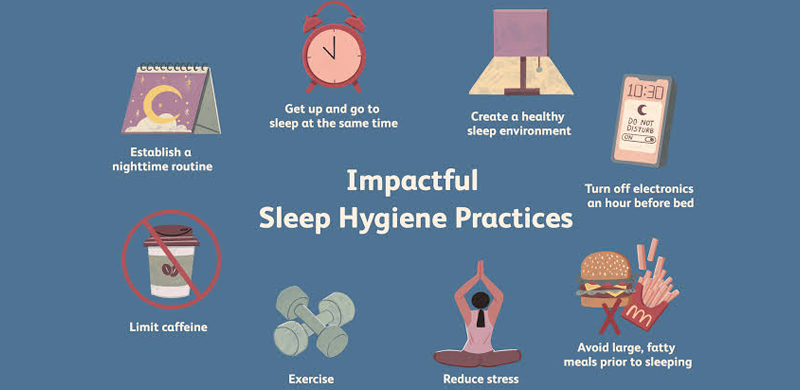
Maintaining a consistent sleep and wake schedule can help support the body's natural sleep rhythm. Individuals may benefit from going to bed and waking up at approximately the same time each day, including weekends. A relaxing bedtime routine, such as reading, gentle stretching, breathing exercises, or other calming activities, may help the body prepare for sleep.
The sleeping environment should be comfortable, quiet, and suitably dark. Keeping electronic devices away from the bed and reducing exposure to bright screens before bedtime may also support better sleep. Comfortable room temperature, appropriate bedding, and minimizing unnecessary noise can further improve the sleep environment.
Nutrition, Exercise, and Sleep-related Habits
Daily lifestyle habits can have an important influence on sleep quality. Regular physical activity may support better sleep, although intense exercise immediately before bedtime may not be suitable for everyone. Limiting caffeine, particularly later in the day, and avoiding heavy meals close to bedtime may also help some individuals sleep more comfortably.
Managing stress is another important part of healthy sleep hygiene. Relaxation techniques, structured routines, adequate daytime activity, and reducing excessive worry before bedtime may help improve sleep patterns. Long daytime naps should generally be limited when they interfere with nighttime sleep.
Sleep Problems and Medical Evaluation
Persistent difficulty sleeping, excessive daytime sleepiness, loud snoring, breathing interruptions during sleep, frequent waking, or ongoing fatigue may require medical evaluation. Sleep problems can sometimes be associated with conditions such as sleep apnea, anxiety, depression, thyroid disorders, medication effects, or other health concerns.
Regular follow-up can help assess sleep patterns and determine whether additional evaluation or treatment is needed. With consistent sleep routines, healthy lifestyle habits, appropriate stress management, and timely medical guidance, individuals can work toward better sleep quality, improved daytime functioning, and overall wellbeing.