Blood Pressure Check-up
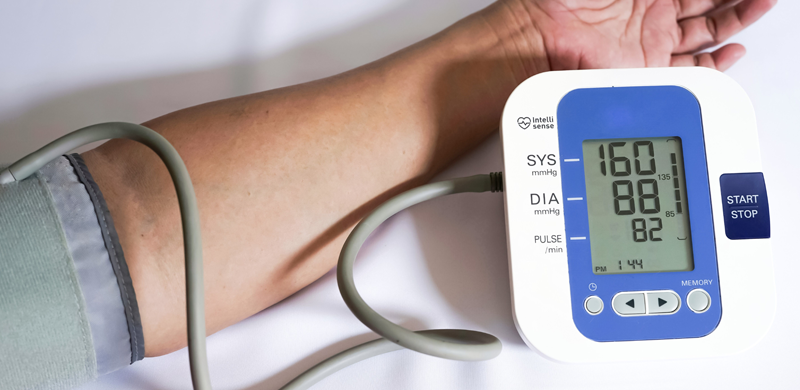
Comprehensive Blood Pressure Check-up
A Blood Pressure Check-up is a simple and important health assessment used to measure the pressure of blood flowing through the arteries. Regular blood pressure checks can help identify high blood pressure, low blood pressure, or changes that may require further medical evaluation. Since hypertension may not always cause noticeable symptoms, routine monitoring is especially important for adults and individuals with risk factors such as family history, excess weight, diabetes, stress, or a sedentary lifestyle.
During a blood pressure check-up, the healthcare professional measures systolic and diastolic blood pressure using an appropriate blood pressure monitoring device. Multiple readings may be recommended when necessary to obtain a more reliable assessment. The doctor may also review medical history, medications, lifestyle habits, and previous blood pressure readings.
Understanding Blood Pressure Readings
Blood pressure is generally recorded as two numbers: systolic pressure, which represents the pressure when the heart contracts, and diastolic pressure, which represents the pressure when the heart relaxes between beats. Blood pressure levels can vary depending on factors such as physical activity, stress, sleep, caffeine intake, and certain medications.
A single elevated or low reading does not always confirm a medical condition. If readings remain outside the recommended range, the doctor may suggest repeated measurements, home monitoring, or additional investigations. Proper interpretation of blood pressure readings should be based on the individual's overall health and medical history.
Who Should Have Regular Blood Pressure Checks?
Regular blood pressure monitoring may be particularly beneficial for people with a family history of hypertension, diabetes, kidney disease, heart disease, obesity, or other cardiovascular risk factors. Individuals already taking blood pressure medicines may also require regular checks to assess treatment response.
Medical evaluation is recommended when blood pressure readings are repeatedly high or unusually low, particularly when associated with symptoms such as dizziness, fainting, severe headache, chest discomfort, breathing difficulty, weakness, or vision changes.
Personalized Blood Pressure Monitoring and Follow-Up
Blood pressure monitoring should be personalized according to the patient's age, medical history, medications, risk factors, and previous readings. When necessary, the doctor may recommend home blood pressure monitoring and provide guidance on when and how to record readings accurately.
Regular follow-up helps identify changes in blood pressure early and allows appropriate lifestyle or treatment recommendations. Maintaining a balanced diet, staying physically active, managing stress, maintaining a healthy weight, limiting excessive salt intake, and following prescribed treatment can support healthy blood pressure and overall cardiovascular wellbeing.