Healthy Eating
Importance of Healthy Eating
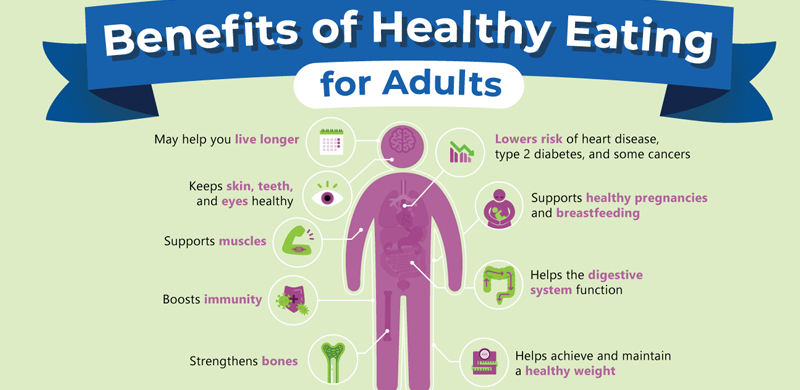
Healthy eating is an important part of maintaining overall health, supporting immunity, improving energy levels, and reducing the risk of several lifestyle-related health conditions. A balanced diet provides the body with essential nutrients required for growth, repair, metabolism, and daily functioning. Healthy eating guidance focuses on developing practical and sustainable food habits according to an individual's age, lifestyle, medical history, activity level, and nutritional needs.
A healthy eating plan should include a variety of nutrient-rich foods rather than focusing on eliminating entire food groups without medical reason. Individual dietary requirements can vary, particularly for people with diabetes, high blood pressure, high cholesterol, obesity, digestive problems, food allergies, or other medical conditions.
Balanced Nutrition and Portion Control
A balanced diet generally includes vegetables, fruits, whole grains, pulses, beans, nuts, seeds, and suitable sources of protein and healthy fats. Depending on personal dietary preferences, foods such as dairy products, eggs, fish, poultry, or suitable alternatives can provide important nutrients. Eating a wide variety of foods helps provide adequate vitamins, minerals, protein, fiber, and other essential nutrients.
Portion control is also important for maintaining a healthy body weight and supporting metabolic health. Individuals may benefit from eating appropriate portions at regular intervals and avoiding excessive consumption of sugary drinks, sweets, highly processed foods, excess salt, and foods high in unhealthy fats. Healthy eating should be practical and sustainable rather than based on extreme restrictions.
Healthy Eating for Disease Prevention
Appropriate food choices can support the prevention and management of several chronic health conditions. People with diabetes may benefit from careful carbohydrate and portion management, while individuals with high blood pressure may be advised to reduce excessive salt intake. Those with high cholesterol or obesity may benefit from dietary patterns that emphasize fiber-rich foods, vegetables, fruits, whole grains, and healthier sources of fat.
Adequate hydration is another important component of healthy eating. Drinking sufficient water throughout the day can support normal body functions. Specific fluid or dietary requirements may differ for individuals with certain kidney, heart, or other medical conditions and should be discussed with a healthcare professional.
Sustainable Healthy Eating Habits
Developing healthy eating habits is a long-term process. Planning meals, eating mindfully, choosing nutritious snacks, reading food labels, and maintaining regular meal patterns can make healthier choices easier. Healthy eating works best when combined with regular physical activity, adequate sleep, stress management, and appropriate medical care.
Personalized nutritional guidance can help individuals make informed food choices based on their health goals and medical requirements. Regular health check-ups can also help monitor weight, blood pressure, blood sugar, cholesterol, and other relevant health parameters. Consistent healthy eating habits can support better energy, improved metabolic health, disease prevention, and long-term wellbeing.