High Cholesterol
Comprehensive High Cholesterol Assessment
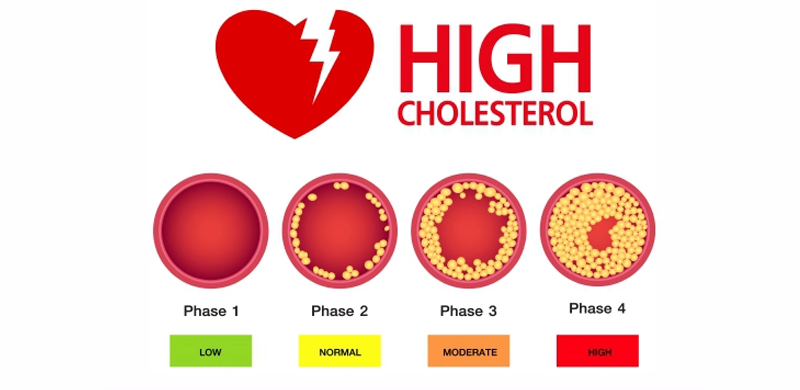
High cholesterol is a common health condition in which certain types of cholesterol or other blood fats are present at unhealthy levels. Cholesterol is essential for several functions in the body, but excessive levels, particularly of low-density lipoprotein (LDL) cholesterol, may contribute to the buildup of plaque inside arteries. Over time, this can increase the risk of heart disease, stroke, and other cardiovascular problems. Regular assessment helps identify cholesterol-related risks and supports timely management.
During a consultation, the doctor may review medical history, family history, diet, physical activity, weight, blood pressure, smoking habits, medications, and existing medical conditions. A lipid profile may be recommended to assess total cholesterol, LDL cholesterol, HDL cholesterol, and triglyceride levels. The results are interpreted along with the individual's overall cardiovascular risk rather than considering a single value alone.
Diet and Lifestyle Management
Healthy lifestyle habits are an important part of cholesterol management. Patients may receive guidance on following a balanced diet that includes vegetables, fruits, whole grains, pulses, nuts, and other nutrient-rich foods. Reducing excessive intake of saturated fats, trans fats, highly processed foods, and added sugars may help support healthier cholesterol levels.
Regular physical activity can also support cardiovascular health and may improve the overall cholesterol profile. Depending on age, fitness level, and medical conditions, suitable activities such as walking, cycling, swimming, or strength exercises may be recommended. Maintaining a healthy weight, avoiding tobacco, and limiting excessive alcohol consumption can further support heart health.
Medical Treatment and Cardiovascular Risk Management
Some individuals may require medicines to lower cholesterol, particularly when cholesterol levels are significantly elevated or when there are additional cardiovascular risk factors. The choice of treatment depends on factors such as age, cholesterol levels, diabetes, blood pressure, previous cardiovascular disease, family history, and overall risk.
If medication is prescribed, regular follow-up may be recommended to monitor cholesterol levels, treatment response, and possible side effects. Patients should not start, stop, or change cholesterol-lowering medicines without consulting their doctor.
Regular Monitoring and Long-term Cholesterol Care
High cholesterol often does not cause noticeable symptoms, making regular screening especially important for people with relevant risk factors. Periodic lipid profile testing can help monitor changes and determine whether lifestyle measures or prescribed treatment are achieving the desired results.
Long-term cholesterol management combines appropriate medical care, healthy nutrition, regular physical activity, weight management, and monitoring of other cardiovascular risk factors such as diabetes and high blood pressure. With personalized guidance and consistent follow-up, individuals can work toward healthier cholesterol levels and reduce their long-term risk of cardiovascular complications.