Lifestyle Disease Management
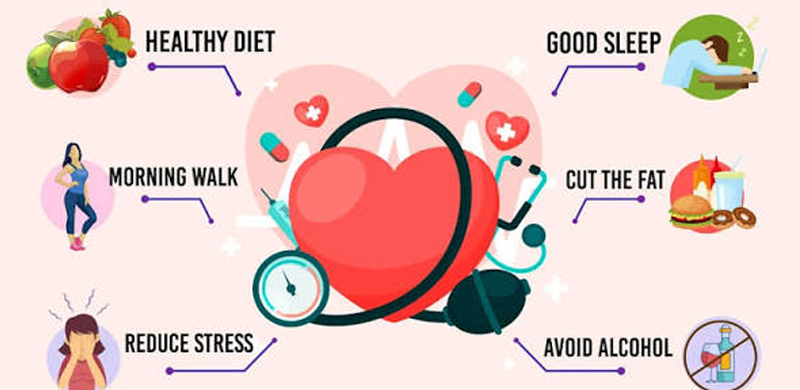
Comprehensive Lifestyle Disease Management
Lifestyle diseases are health conditions that may be influenced by factors such as unhealthy eating habits, physical inactivity, excess weight, chronic stress, tobacco use, excessive alcohol consumption, and other long-term lifestyle factors. Conditions such as diabetes, high blood pressure, high cholesterol, obesity, fatty liver disease, and certain cardiovascular problems may require ongoing monitoring and personalized medical care. Lifestyle disease management focuses on improving health while addressing the factors that may contribute to these conditions.
During a consultation, the doctor may review medical history, family history, medications, weight, blood pressure, blood sugar, cholesterol, diet, physical activity, sleep, stress, and other relevant health factors. Depending on the individual's condition, laboratory tests or other investigations may be recommended to assess overall health and identify potential complications.
Managing Diabetes, Hypertension, and Related Conditions
Effective management of lifestyle-related conditions often requires regular monitoring and a combination of medical treatment and healthy lifestyle changes. For diabetes, care may include monitoring blood glucose and HbA1c, following appropriate nutrition, maintaining physical activity, and taking prescribed medicines when required. For high blood pressure, regular blood pressure monitoring, medication when indicated, healthy weight management, and lifestyle modifications are important components of care.
Patients with high cholesterol, obesity, fatty liver disease, or other metabolic concerns may also benefit from personalized nutrition, physical activity, and weight management guidance. Treatment plans are adjusted according to age, medical history, test results, risk factors, and response to treatment.
Nutrition, Exercise, and Healthy Lifestyle
Healthy lifestyle habits are an important part of managing and preventing lifestyle-related diseases. Patients may receive guidance on balanced nutrition, portion control, adequate hydration, regular physical activity, healthy weight management, and limiting excessive intake of salt, sugar, and highly processed foods.
Adequate sleep and stress management can also support overall health. Avoiding tobacco products and limiting excessive alcohol consumption may further reduce health risks. Lifestyle recommendations are personalized according to the patient's medical condition and physical abilities.
Long-term Monitoring and Prevention of Complications
Lifestyle diseases often require long-term monitoring to assess treatment response and reduce the risk of complications. Regular follow-up may include reviewing blood pressure, blood sugar, cholesterol, weight, kidney function, liver health, and other relevant health parameters. Medication reviews may also be performed to ensure appropriate and safe treatment.
With consistent medical follow-up, appropriate medication when required, healthy lifestyle habits, and regular monitoring, individuals can work toward better control of chronic health conditions. Personalized lifestyle disease management supports prevention, early identification of complications, improved daily wellbeing, and better long-term health outcomes.