Blood Pressure Screening
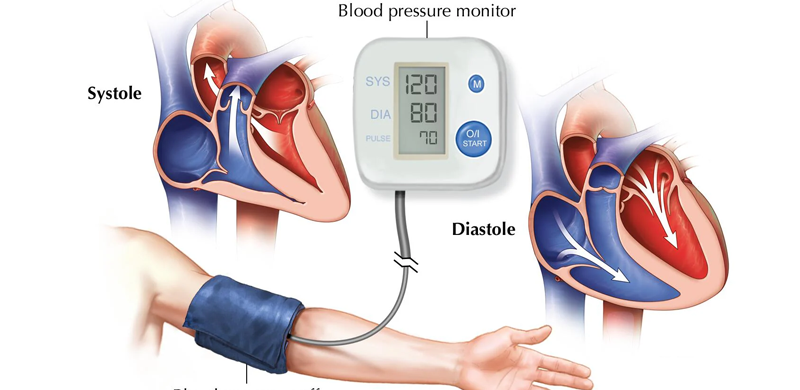
Comprehensive Blood Pressure Screening
Blood pressure screening is a simple and important part of preventive healthcare. High blood pressure, also known as hypertension, may develop without noticeable symptoms and can increase the risk of heart disease, stroke, kidney problems, and other health complications when left unmanaged. Regular screening helps identify abnormal blood pressure readings and allows timely medical evaluation when required.
During a blood pressure screening, the doctor or healthcare professional measures the pressure of blood flowing through the arteries using an appropriate blood pressure device. Blood pressure is generally recorded as two numbers: systolic pressure and diastolic pressure. Proper positioning, an appropriate cuff size, and adequate rest before measurement can help obtain a more reliable reading.
Identifying High and Low Blood Pressure
Blood pressure can vary throughout the day due to physical activity, stress, caffeine, illness, medications, and other factors. A single abnormal reading does not always confirm a diagnosis of hypertension. If a reading is elevated, the doctor may recommend repeat measurements, home monitoring, or additional evaluation to better understand the patient's blood pressure pattern.
Low blood pressure may also require evaluation when it is associated with symptoms such as dizziness, fainting, unusual weakness, or blurred vision. The doctor may review medications, hydration, nutrition, medical history, and other possible contributing factors to determine whether further assessment is needed.
Blood Pressure Risk Assessment
Regular screening is particularly important for people with risk factors such as a family history of hypertension, diabetes, obesity, high cholesterol, sedentary lifestyle, tobacco use, or existing heart or kidney conditions. Monitoring blood pressure can help identify changes early and support appropriate lifestyle or medical interventions.
Patients may be advised to maintain a healthy body weight, follow a balanced diet, limit excessive salt intake, remain physically active, manage stress, avoid tobacco, and limit excessive alcohol consumption. These measures can support healthier blood pressure levels and overall cardiovascular health.
Regular Monitoring and Follow-up
Regular blood pressure monitoring helps track changes over time and allows the doctor to assess whether lifestyle measures or prescribed treatment are working effectively. Patients diagnosed with hypertension may be advised to maintain a record of their readings and attend scheduled follow-up consultations.
Very high blood pressure accompanied by symptoms such as severe headache, chest pain, difficulty breathing, weakness, confusion, or vision changes requires prompt medical attention. With regular screening, healthy lifestyle habits, appropriate treatment when needed, and consistent follow-up, blood pressure can be monitored effectively and cardiovascular health can be better supported.