Blood Sugar Monitoring
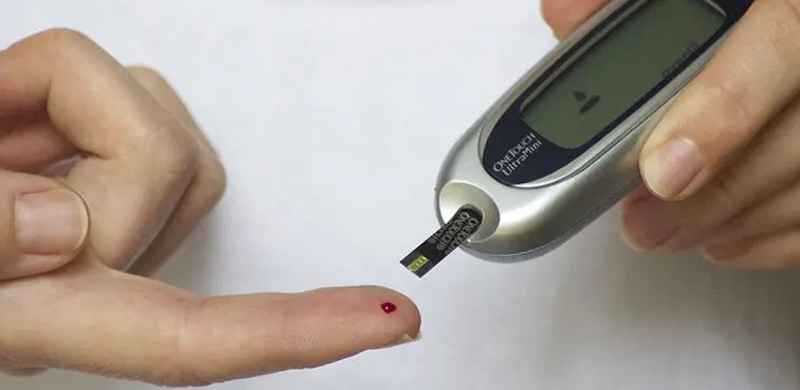
Comprehensive Blood Sugar Monitoring
Blood sugar monitoring is an important part of diabetes management and overall metabolic health. Regular monitoring helps patients and healthcare professionals understand how blood glucose levels change throughout the day and how they may be affected by food, physical activity, medicines, stress, illness, and other lifestyle factors. Consistent monitoring can support better treatment decisions and help identify unusual changes in blood glucose levels.
Depending on the individual's condition and treatment plan, the doctor may recommend checking blood glucose at specific times, such as before or after meals, in the morning, or when symptoms of low or high blood sugar occur. The frequency of monitoring varies from person to person and should be based on professional medical advice.
Understanding Blood Glucose Readings
Blood glucose readings can provide useful information about how well diabetes is being controlled. Patients may be advised to maintain a record of their readings along with meal timings, physical activity, medicines, and any symptoms they experience. Reviewing these patterns during medical consultations can help the doctor understand changes in glucose levels and evaluate the effectiveness of the current management plan.
HbA1c testing may also be recommended at appropriate intervals to provide an overview of average blood glucose levels over the preceding months. Blood glucose targets are individualized and may vary depending on age, health conditions, medications, and other factors.
Managing High and Low Blood Sugar
Regular monitoring can help identify episodes of high or low blood sugar. Symptoms of low blood sugar may include sweating, shakiness, hunger, dizziness, confusion, or weakness, while high blood sugar may be associated with increased thirst, frequent urination, tiredness, or blurred vision. Patients should discuss appropriate action plans with their healthcare provider.
Medication doses should not be changed independently based on individual readings unless a healthcare professional has provided a specific plan. Persistent or significantly abnormal readings should be discussed with a doctor for appropriate evaluation and management.
Personalized Monitoring and Follow-Up
Blood sugar monitoring requirements vary according to the type of diabetes, treatment, age, lifestyle, and overall health. A personalized monitoring plan helps patients understand when and how often to check their glucose levels and how to maintain accurate records.
Regular follow-up consultations allow the doctor to review glucose records, HbA1c results, medications, diet, physical activity, and other health parameters. With consistent monitoring, appropriate treatment, and healthy lifestyle habits, patients can work toward better blood glucose control and reduce the risk of long-term diabetes-related complications.