Common Childhood Illnesses
Comprehensive Care for Common Childhood Illnesses
Children commonly experience illnesses such as fever, cold, cough, sore throat, ear infections, stomach infections, vomiting, diarrhea, skin rashes, and seasonal allergies. Most childhood illnesses can be managed effectively with timely medical evaluation and appropriate supportive care. A pediatric consultation helps identify the likely cause of symptoms and determines whether the child requires medicines, investigations, or additional medical attention.
During a consultation, the doctor may assess the child's age, symptoms, duration of illness, temperature, hydration, appetite, sleep, vaccination history, medical history, and previous episodes of illness. A physical examination helps evaluate the child's overall condition. Laboratory tests or other investigations may be recommended when symptoms are persistent, severe, recurrent, or suggest a more specific underlying condition.
Fever, Cold, Cough, and Respiratory Infections
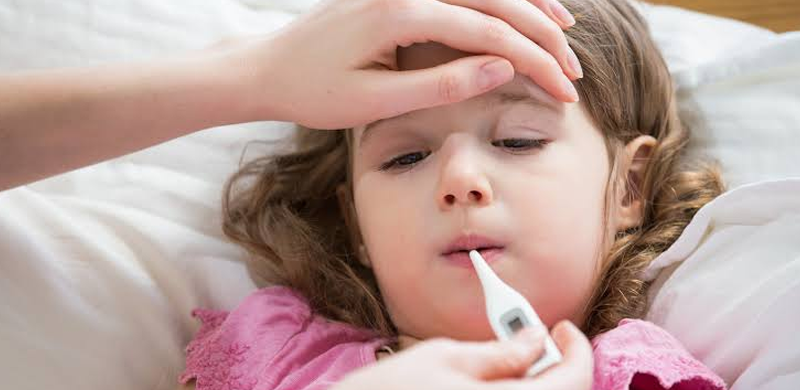
Fever, cold, cough, and sore throat are among the most frequent childhood health concerns. They may occur due to viral infections, seasonal changes, allergies, or other respiratory conditions. Supportive care may include adequate fluids, rest, appropriate nutrition, and medicines recommended by the doctor based on the child's age and symptoms.
Parents should monitor children carefully when they are unwell. Difficulty breathing, persistent high fever, unusual sleepiness, dehydration, bluish lips, seizures, or rapidly worsening symptoms require prompt medical evaluation. Medicines, particularly antibiotics, should not be given to children without appropriate medical advice.
Digestive Problems and Childhood Infections
Vomiting, diarrhea, stomach discomfort, and loss of appetite can occur due to infections, dietary changes, food-related illnesses, or other digestive conditions. Maintaining adequate hydration is especially important when a child has vomiting or diarrhea. The doctor may provide guidance regarding fluids, nutrition, and appropriate treatment according to the child's age and condition.
Parents should watch for signs of dehydration such as reduced urination, dry mouth, excessive weakness, sunken eyes, or unusual sleepiness. Persistent vomiting, blood in stools, severe abdominal pain, or worsening symptoms may require further medical assessment.
Prevention, Monitoring, and Follow-Up
Preventive healthcare plays an important role in reducing the risk of common childhood illnesses. Regular handwashing, safe food and water practices, appropriate vaccinations, adequate nutrition, sufficient sleep, and maintaining good personal hygiene can support a child's overall health and immunity.
Regular pediatric consultations can help monitor growth, development, nutrition, and recurring health concerns. Children with frequent infections or persistent symptoms may require additional evaluation to identify contributing factors. With timely diagnosis, appropriate treatment, preventive care, and parental guidance, common childhood illnesses can be managed safely while supporting healthy growth and development.