Post-delivery Health Advice
Comprehensive Post-delivery Health Guidance
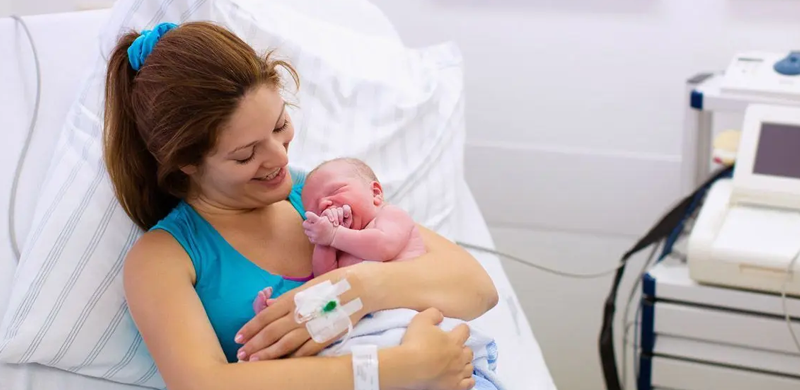
Post-delivery care is an important part of a woman's recovery after childbirth. The postpartum period involves physical, hormonal, and emotional changes as the body gradually recovers from pregnancy and delivery. Personalized post-delivery health advice helps women understand normal recovery, manage common concerns, support breastfeeding when applicable, and identify symptoms that may require medical attention.
During a postpartum consultation, the doctor may review recovery after vaginal or cesarean delivery, bleeding, pain, wound healing, breastfeeding, sleep, nutrition, medications, blood pressure, and emotional wellbeing. The consultation may also provide guidance regarding physical activity, hygiene, contraception, and future pregnancy planning.
Nutrition, Recovery, and Physical Activity
Adequate nutrition and hydration are important during postpartum recovery. Women may be advised to follow a balanced diet containing sufficient protein, vegetables, fruits, whole grains, and other nutrient-rich foods. Depending on individual needs, the doctor may recommend continuing certain supplements or checking for nutritional deficiencies.
Physical activity should be resumed gradually according to the type of delivery, recovery, and medical advice. Gentle movement may be encouraged when appropriate, while strenuous activities and heavy lifting may need to be avoided until the body has sufficiently recovered. Specific guidance may be provided for pelvic floor health and abdominal recovery.
Monitoring Post-delivery Health Concerns
Some discomfort, fatigue, vaginal bleeding, breast changes, and emotional fluctuations can occur after childbirth. However, symptoms that are severe, persistent, or worsening should be medically evaluated. Women should seek prompt medical attention for heavy bleeding, high fever, severe abdominal or pelvic pain, breathing difficulty, chest pain, severe headache, vision changes, significant swelling, or problems with a delivery wound.
Emotional wellbeing is also an important part of postpartum care. Persistent sadness, severe anxiety, inability to cope, or significant changes in mood should be discussed with a healthcare professional so that appropriate support can be provided.
Follow-up, Breastfeeding, and Family Planning
Regular postpartum follow-up allows the doctor to assess physical recovery, blood pressure, wound healing, menstrual changes, breastfeeding concerns, and overall wellbeing. Guidance can also be provided regarding safe physical activity, nutrition, sleep, and medication use during breastfeeding when applicable.
Post-delivery consultations are also an opportunity to discuss contraception and future pregnancy planning. Personalized advice helps women choose suitable options based on their health, breastfeeding status, reproductive goals, and medical history. With appropriate follow-up, healthy lifestyle habits, adequate rest, and timely medical care, women can support a safe and healthy postpartum recovery.