Diabetes Care
Comprehensive Diabetes Evaluation and Management
Diabetes is a long-term health condition in which blood glucose levels remain higher than normal due to problems with insulin production, insulin action, or both. Proper diabetes care focuses on maintaining healthy blood sugar levels, reducing the risk of complications, and supporting overall health. Regular medical consultations help monitor glucose control and identify changes that may require adjustments in treatment.
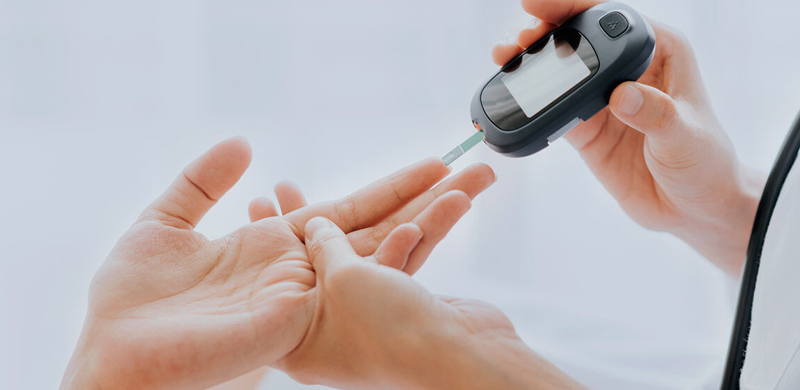
During a diabetes consultation, the doctor may review blood sugar readings, medical history, medications, diet, physical activity, weight, and lifestyle habits. Investigations such as fasting blood glucose, post-meal glucose, HbA1c, cholesterol, kidney function, and other tests may be recommended based on individual needs. Regular monitoring helps assess treatment effectiveness and overall metabolic health.
Personalized Diabetes Treatment
Diabetes treatment is personalized according to the type of diabetes, blood glucose levels, age, medical history, lifestyle, and presence of other health conditions. Management may include dietary modifications, regular physical activity, oral medicines, injectable medicines, insulin therapy, and regular monitoring of blood glucose as recommended by the doctor.
Patients are encouraged to take prescribed medicines consistently and follow their recommended meal and activity plans. Medication doses should not be changed or stopped without medical advice. Regular consultations allow the treatment plan to be reviewed and adjusted when necessary.
Prevention and Monitoring of Diabetes Complications
Long-term diabetes can affect several organs, including the heart, kidneys, eyes, nerves, and blood vessels. Maintaining appropriate blood glucose, blood pressure, and cholesterol levels can help reduce the risk of complications. Regular health assessments may include kidney function evaluation, eye examinations, foot checks, blood pressure monitoring, and cardiovascular risk assessment.
Patients should also be aware of symptoms of very high or very low blood sugar and seek medical guidance when unusual symptoms occur. Early identification of changes can support timely management and reduce the risk of serious complications.
Ongoing Diabetes Care and Follow-Up
Effective diabetes management requires regular monitoring and long-term follow-up. The doctor may periodically review blood sugar records, HbA1c levels, medications, diet, physical activity, weight, and other health parameters to assess progress and make appropriate adjustments.
With consistent medical care, healthy lifestyle habits, regular physical activity, balanced nutrition, and appropriate treatment, people with diabetes can work toward better glucose control and maintain their overall wellbeing. Personalized follow-up helps ensure that diabetes care continues to meet the patient's changing health needs.