Diabetes Treatment
Comprehensive Diabetes Treatment
Diabetes treatment focuses on managing blood glucose levels, improving overall metabolic health, and reducing the risk of long-term complications. Diabetes is a chronic condition that requires ongoing care and regular monitoring. A personalized treatment plan is developed according to the type of diabetes, blood sugar levels, age, medical history, lifestyle, medications, and other existing health conditions.
During a consultation, the doctor may review blood glucose readings, HbA1c levels, dietary habits, physical activity, weight, medications, and previous medical reports. Additional investigations may be recommended to assess overall health and identify factors that may affect diabetes control.
Personalized Diabetes Management
Diabetes treatment may involve lifestyle modifications, dietary management, regular physical activity, oral medicines, injectable medicines, or insulin therapy, depending on the patient's individual requirements. The treatment approach may change over time as blood glucose levels, health conditions, and lifestyle factors change.
Patients are encouraged to follow their prescribed treatment plan consistently and monitor blood glucose as advised. Medicines should not be stopped, started, or adjusted without medical guidance. Maintaining a balanced diet, staying physically active, managing stress, and getting adequate sleep can also support better diabetes management.
Preventing Diabetes-Related Complications
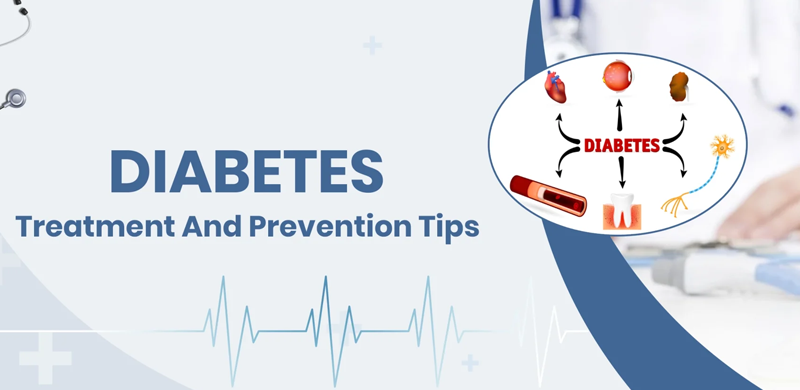
Long-term uncontrolled diabetes can increase the risk of complications affecting the heart, kidneys, eyes, nerves, and blood vessels. Regular monitoring and appropriate treatment can help reduce these risks. Depending on individual needs, routine assessments may include blood pressure monitoring, cholesterol testing, kidney function evaluation, eye examinations, and foot health checks.
Patients should also discuss symptoms such as persistent fatigue, vision changes, numbness or tingling, swelling, unusual thirst, or frequent urination with their doctor. Early evaluation of new symptoms can help identify potential complications and support timely management.
Ongoing Diabetes Treatment and Follow-Up
Diabetes treatment requires regular follow-up to assess how well the condition is being controlled. The doctor may periodically review blood glucose records, HbA1c levels, medications, diet, exercise, weight, and other health parameters to determine whether adjustments are needed.
Consistent medical care, healthy lifestyle habits, regular monitoring, and adherence to prescribed treatment can help patients maintain better blood glucose control. Personalized follow-up ensures that the diabetes treatment plan continues to meet the patient's changing healthcare needs and supports long-term wellbeing.