Prevention of Diabetes Complications
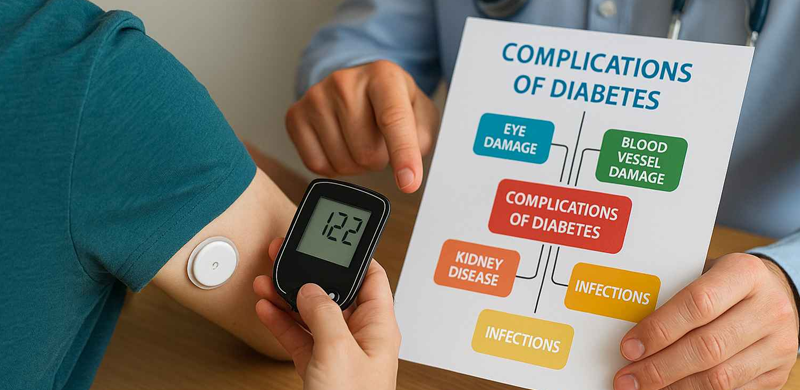
Comprehensive Prevention of Diabetes Complications
Diabetes can affect different organs and body systems when blood glucose levels remain uncontrolled over a long period. Preventing diabetes-related complications involves maintaining appropriate blood sugar levels, monitoring overall health, following prescribed treatment, and attending regular medical check-ups. A proactive approach can help identify potential problems at an early stage and support better long-term health.
During regular consultations, the doctor may review blood glucose readings, HbA1c levels, blood pressure, cholesterol, weight, medications, diet, physical activity, and other relevant health parameters. Based on individual risk factors, additional tests or specialist evaluations may be recommended.
Monitoring Blood Sugar and Cardiovascular Health
Maintaining good blood glucose control is an important part of reducing the risk of diabetes-related complications. Regular blood sugar monitoring and periodic HbA1c testing can help assess how effectively diabetes is being managed. Treatment and medication plans may be adjusted by the doctor according to individual requirements.
Diabetes can also increase the risk of cardiovascular problems. Regular monitoring of blood pressure and cholesterol, along with a balanced diet, appropriate physical activity, healthy weight management, and avoidance of tobacco products, can support overall cardiovascular health.
Eye, Kidney, Nerve, and Foot Care
Long-term diabetes can affect the eyes, kidneys, nerves, and feet. Regular eye examinations can help identify diabetes-related changes at an early stage. Kidney function and urine tests may be recommended to monitor renal health, while appropriate foot care and periodic examination can help detect skin changes, wounds, reduced sensation, or other problems.
Patients should report symptoms such as persistent numbness or tingling, changes in vision, swelling, unusual wounds, or changes in urination to their doctor. Early evaluation can help prevent minor problems from becoming more serious.
Healthy Lifestyle and Regular Follow-Up
A healthy lifestyle is an important part of diabetes complication prevention. Following a balanced diet, engaging in suitable physical activity, maintaining a healthy weight, getting adequate sleep, managing stress, and taking prescribed medicines regularly can contribute to better diabetes control.
Regular medical follow-up allows the doctor to monitor diabetes and assess the risk of complications over time. With consistent treatment, appropriate screening, healthy lifestyle habits, and timely medical attention, patients can take important steps toward reducing the risk of diabetes-related complications and maintaining their overall wellbeing.