Diabetes and Blood Pressure Management
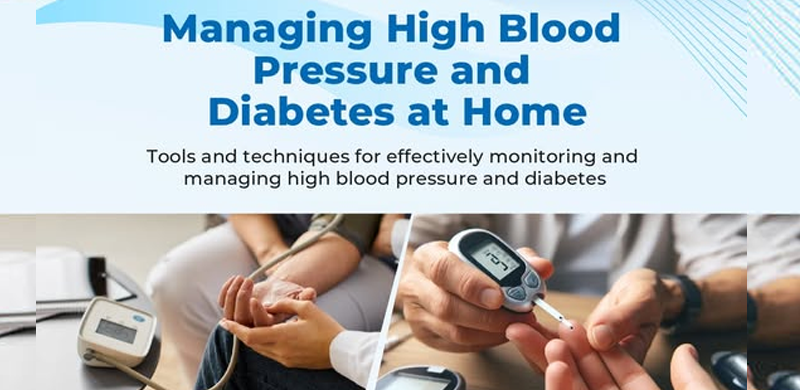
Comprehensive Diabetes and Blood Pressure Care
Diabetes and high blood pressure are common long-term health conditions that require regular monitoring and appropriate medical care. When poorly controlled, they can increase the risk of complications affecting the heart, kidneys, eyes, nerves, and blood vessels. Comprehensive management focuses on understanding the patient's health status, monitoring important parameters, and developing a personalized treatment plan based on medical history, lifestyle, and individual risk factors.
During a consultation, the doctor may review blood sugar levels, blood pressure readings, medications, weight, diet, physical activity, sleep, family history, and existing health conditions. Depending on individual needs, investigations such as HbA1c, fasting or post-meal blood sugar, cholesterol, kidney function tests, urine tests, or other assessments may be recommended.
Diabetes Monitoring and Treatment
Effective diabetes management involves regular blood sugar monitoring, appropriate nutrition, physical activity, medication when prescribed, and periodic medical follow-up. The treatment plan depends on the type of diabetes, blood sugar levels, age, medical history, and other health conditions. Regular monitoring helps assess whether blood sugar is within the recommended range and whether treatment requires adjustment.
Patients may receive guidance regarding balanced meals, portion control, physical activity, weight management, and recognizing symptoms of unusually high or low blood sugar. Regular monitoring of kidney health, eye health, foot health, cholesterol, and other relevant parameters may also be recommended to reduce the risk of diabetes-related complications.
Blood Pressure Monitoring and Lifestyle Management
Blood pressure management involves regular monitoring and addressing lifestyle factors that may contribute to high blood pressure. Patients may be advised to reduce excessive salt intake, maintain a healthy body weight, exercise regularly, eat a balanced diet, manage stress, avoid tobacco, and limit excessive alcohol consumption.
When medication is required, the doctor may prescribe appropriate blood pressure medicines based on the patient's condition and other risk factors. Blood pressure should be monitored regularly, and prescribed medicines should not be stopped or changed without medical advice. Keeping a record of blood pressure readings can help the doctor assess treatment response.
Long-term Monitoring and Prevention of Complications
Diabetes and hypertension can often occur together, making regular medical follow-up particularly important. Monitoring both conditions helps assess cardiovascular and kidney health and supports early identification of potential complications. Regular blood tests, urine tests, health screenings, and medication reviews may form part of ongoing care.
With consistent monitoring, appropriate treatment, healthy lifestyle habits, and regular follow-up, patients can work toward better control of diabetes and blood pressure. Personalized medical guidance can help reduce health risks, support long-term wellbeing, and improve overall quality of life.