Skin Infections
Comprehensive Evaluation of Skin Infections
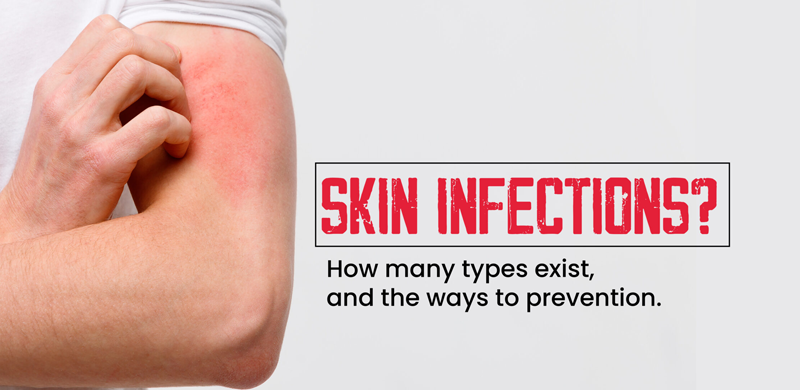
Skin infections can develop when harmful microorganisms such as bacteria, fungi, or viruses affect the skin. They may cause symptoms such as redness, itching, swelling, pain, rashes, blisters, sores, scaling, or discharge. Skin infections can affect different areas of the body and may range from mild, localized conditions to infections requiring prompt medical treatment. A proper medical consultation helps identify the possible cause and severity of the infection.
During the consultation, the doctor may examine the affected area and discuss the onset, duration, progression, and associated symptoms. Medical history, previous skin conditions, allergies, medication use, hygiene practices, and possible exposure to infected individuals may also be reviewed. In some cases, a skin swab, scraping, blood test, or other investigation may be recommended.
Diagnosis and Treatment of Skin Infections
Skin infections may be caused by bacterial, fungal, or viral organisms, and each type may require a different treatment approach. Conditions such as bacterial skin infections, fungal infections, infected wounds, and certain viral skin conditions should be evaluated carefully before treatment is started.
Treatment may include topical or oral medicines, depending on the type and severity of the infection. The doctor may also recommend appropriate wound care, hygiene measures, and lifestyle modifications. Patients should avoid using steroid creams, antibiotics, or antifungal medicines without medical advice, as inappropriate treatment may worsen certain skin conditions or delay proper diagnosis.
Prevention and Management of Skin Infections
Good personal hygiene can help reduce the risk of many skin infections. Keeping the skin clean and dry, avoiding unnecessary sharing of towels or personal items, protecting cuts and wounds, and maintaining proper hand hygiene can support healthy skin. Individuals should also avoid scratching affected areas, as this may cause further irritation or spread infection.
Medical attention is particularly important when an infection spreads quickly or is associated with increasing pain, swelling, pus, fever, red streaks, or significant skin changes. People with diabetes or weakened immune systems may require timely evaluation for skin infections.
Personalized Care and Follow-Up
The appropriate management of a skin infection depends on its cause, location, severity, and the patient's overall health. A personalized consultation helps determine the most suitable treatment and preventive measures for each individual.
Follow-up may be recommended to monitor healing, assess the response to treatment, or make changes when symptoms do not improve as expected. With timely diagnosis, appropriate treatment, and proper skin care, many skin infections can be effectively managed while reducing the risk of recurrence or complications.