Treatment of High Blood Pressure
Comprehensive Evaluation of High Blood Pressure
High blood pressure, also known as hypertension, is a common medical condition in which blood pressure remains consistently higher than the recommended range. Since hypertension may not cause noticeable symptoms, regular monitoring and timely medical evaluation are important. Proper treatment can help control blood pressure and reduce the risk of complications involving the heart, brain, kidneys, and blood vessels.
During a consultation, the doctor may review previous blood pressure readings, medical history, family history, medications, diet, physical activity, weight, stress levels, and other health conditions. Additional tests such as blood investigations, urine tests, ECG, or other assessments may be recommended based on individual risk factors and clinical findings.
Personalized Treatment for Hypertension
Treatment for high blood pressure is personalized according to the patient's blood pressure levels, age, overall health, cardiovascular risk, and associated medical conditions. Lifestyle modifications are an important part of management and may include reducing excessive salt intake, maintaining a healthy weight, following a balanced diet, staying physically active, managing stress, and avoiding tobacco products.
When medication is required, the doctor may prescribe appropriate blood pressure medicines based on the patient's individual needs. Medicines should be taken exactly as advised, and patients should not stop or change their dosage without consulting their healthcare professional.
Blood Pressure Monitoring and Complication Prevention
Regular blood pressure monitoring is an important part of hypertension treatment. Patients may be advised to maintain a record of their readings at home and bring the records during follow-up visits. Monitoring helps the doctor assess treatment response and determine whether any changes are required.
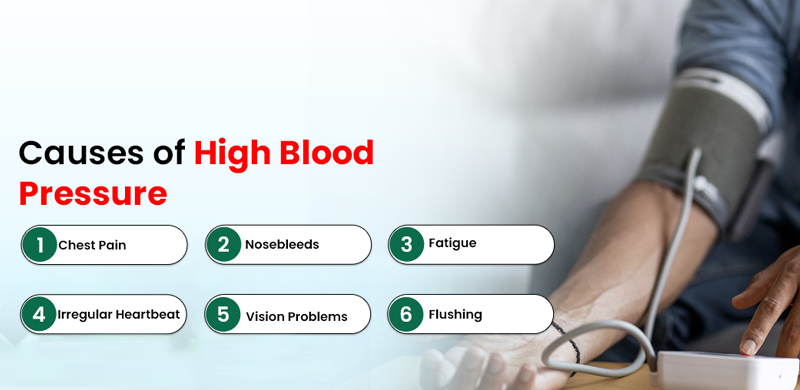
Long-term uncontrolled high blood pressure can increase the risk of heart disease, stroke, kidney problems, and other complications. Patients should seek urgent medical attention if very high blood pressure is accompanied by chest pain, severe headache, breathing difficulty, confusion, weakness, or sudden vision changes.
Long-Term Hypertension Care and Follow-Up
Managing high blood pressure requires consistent care and regular follow-up. The doctor may periodically review blood pressure readings, medications, lifestyle changes, weight, cholesterol, kidney function, and other relevant health parameters. Treatment can be adjusted according to the patient's response and changing healthcare needs.
With regular monitoring, appropriate medication when required, a balanced diet, physical activity, healthy lifestyle habits, and timely medical follow-up, patients can work toward better blood pressure control. Personalized hypertension care can help reduce the risk of long-term complications and support better cardiovascular health.