Exercise Guidance
Personalized Exercise Guidance
Regular physical activity is an important part of maintaining good health, improving fitness, supporting healthy body weight, and reducing the risk of several chronic conditions. Exercise guidance provides personalized recommendations based on an individual's age, fitness level, medical history, physical abilities, lifestyle, and health goals. The aim is to encourage safe and sustainable physical activity that can be incorporated into everyday life.
During a consultation, the doctor may review current activity levels, exercise habits, weight, joint or muscle problems, previous injuries, medical conditions, medications, and any symptoms experienced during physical activity. When appropriate, additional evaluation may be recommended before beginning or increasing an exercise routine.
Cardiovascular and Strength Exercises
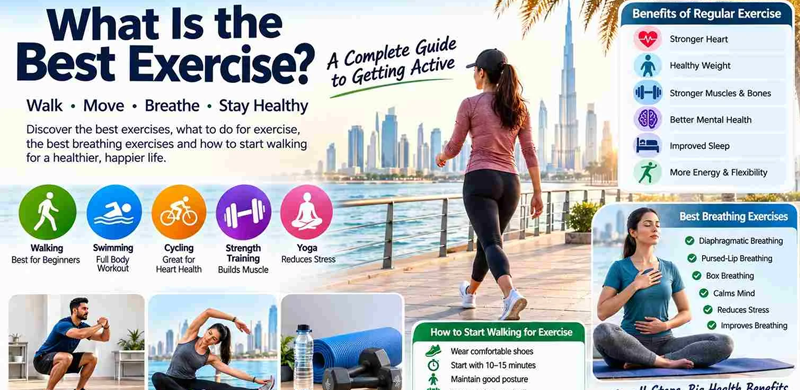
A balanced exercise routine may include aerobic activities, muscle-strengthening exercises, flexibility exercises, and movement that supports balance and coordination. Activities such as walking, cycling, swimming, jogging, or other suitable forms of aerobic exercise can support cardiovascular fitness and overall endurance.
Strength exercises can help maintain muscle mass, bone strength, mobility, and functional fitness. Depending on individual abilities, bodyweight exercises, resistance bands, light weights, or other suitable activities may be recommended. Exercise intensity should be increased gradually and adjusted according to fitness level and medical needs.
Exercise for Weight and Chronic Disease Management
Regular physical activity can support healthy weight management and may contribute to better control of conditions such as diabetes, high blood pressure, high cholesterol, and certain joint problems. Exercise recommendations should be personalized, particularly for individuals with heart disease, respiratory conditions, arthritis, previous injuries, or other medical concerns.
People who have been inactive for a long period may benefit from starting with low-impact activities and gradually increasing duration and intensity. Proper warm-up, hydration, appropriate footwear, rest periods, and correct exercise techniques can help reduce the risk of injury.
Safe Exercise Practices and Follow-up
Exercise should be comfortable and appropriate for the individual's health status. Symptoms such as chest pain, severe breathlessness, fainting, unusual dizziness, or significant pain during exercise should not be ignored and may require prompt medical evaluation. Individuals with existing medical conditions should discuss their exercise plans with their healthcare professional when appropriate.
Regular follow-up can help assess fitness progress, weight, blood pressure, blood sugar, mobility, and other relevant health parameters. With personalized exercise guidance, gradual progression, healthy nutrition, adequate sleep, and consistent physical activity, individuals can work toward improved fitness, better health, and long-term wellbeing.